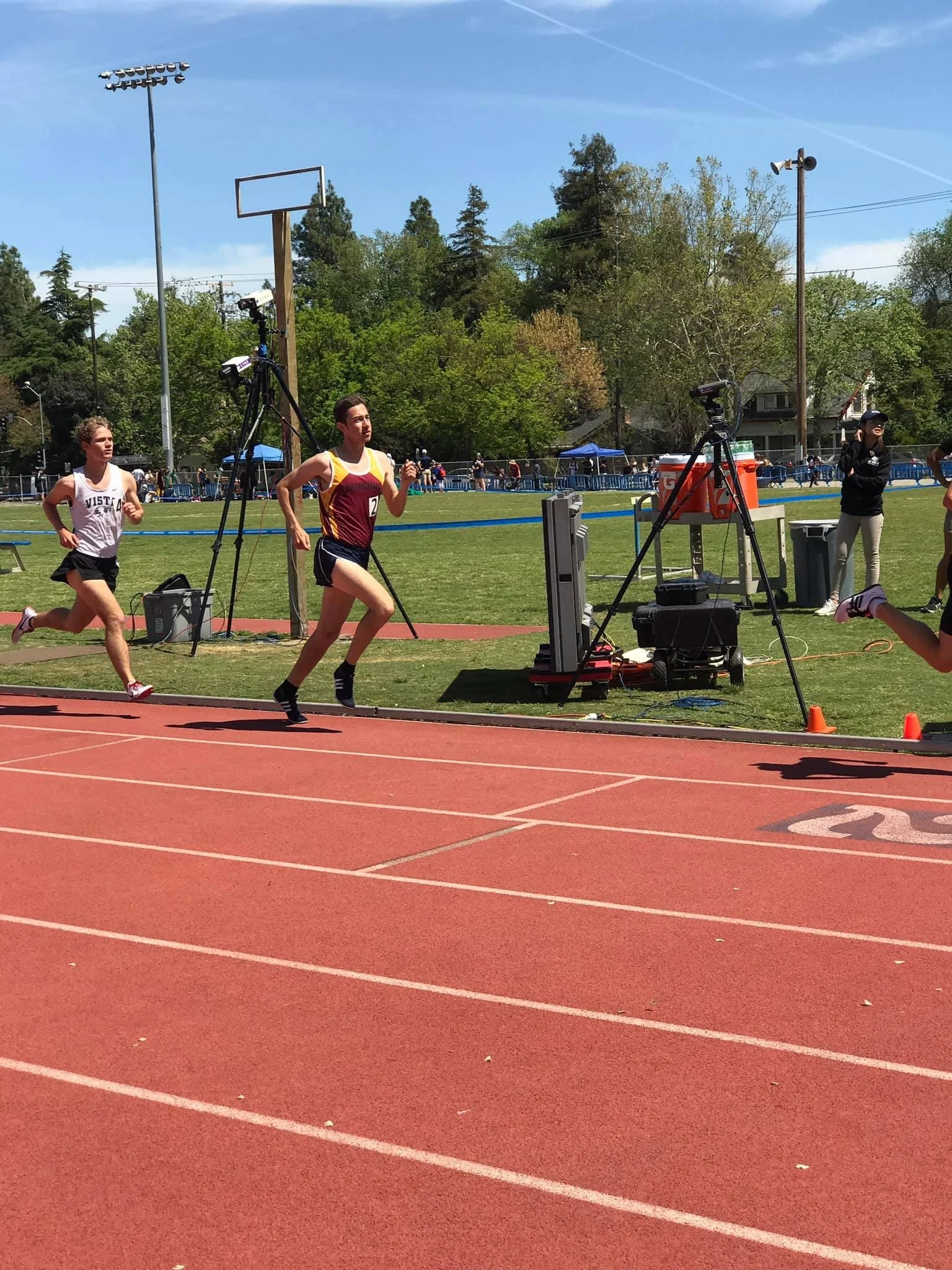
In the 1970-1980s, the first “running boom” took place.
Spurred on by the success of American marathoners Frank Shorter and Joanie Benoit Samuelson, the dominance, bodacious racing style, and untimely death of Oregon distance runner Steve Prefontaine, and the new technology of high-cushioned footwear from a little company called Nike, more Americans than ever were running.
Running for fun, running for sport, and running to see what their bodies were capable of.
In the 2020s, we saw a new running boom, mainly spurred on by COVID lockdowns. People were feeling pent up indoors and with no option to exercise at the gym, running suddenly seemed very attractive. The advent of social run clubs soon brought a new mass participation in the sport. I like to call it the “2nd Running Boom.” And for the most part it has been great for the sport.
The community is growing. People are living healthier lifestyles, and achieving goals they once thought impossible for themselves. But there’s one mistake that seems to be all too common, especially among those who began running in adulthood, with no background of youth competition.
Which is going straight into long distance racing with no foundation of speed.
We all hear about mileage, mileage, mileage. Mileage is king because mileage is what helps improve your endurance. And that is largely true!
But what many don’t realize is that if they are in it for performance goals, or even just want to enjoy the experience more overall; speed matters.
The large majority of the best marathoners in the world didn’t run their first marathon until they had been racing shorter distances for over a decade. They focused their training on running the fastest 800m, or mile, or 5k they could before moving up to longer distances like the half marathon or marathon.
Why?
Well, to put it simply….
You can’t endure a pace you can run.
If you’re trying to run a Boston Qualifying time for example, and the necessary pace to run is 6:45 per mile for the marathon, but your best all out mile is 6:30, then I have 2 words. Good luck!
Think about it like this…
Let’s say Runner A and Runner B both want to run a sub 2:00 800m (2 laps on a track)
Both runners have the same level of aerobic fitness and training. They both have run 4:30 for the mile, 15:30 for 5k, and both run 50 miles per week.
Runner A can run 400m in 50 seconds all out, while Runner B can muster a comparatively slow 57 seconds.
If they need to average 60 seconds per 400m for a sub 2:00, and again, all other thing are equal, who would you wager is more likely to do it?
Who will be running a lower percentage of their max speed?
Runner A, of course!
Now, does this mean that if you haven’t been training to run a mile or other shorter distances, you’re doomed? Not at all!
But it wouldn’t be a bad idea AT ALL to have a cycle of training once a year focusing on shorter events, the mile included! This doesn’t mean you stop running mileage; in fact, training for a marathon and training for the mile are more similar than one might think. The specifics of the workouts change, the strategy changes, but the training is not extremely different. If you’re planning to run a marathon this year, I strongly recommend a cycle of training like a track athlete.
And if you need help figuring that part out, you know who to call!
-Coach Chris